Document Folder Template Review
As an embroidery designer and product reviewer, I often find myself evaluating digital files for real-world use. The Document Folder Template caught my attention as a versatile design that could fit into various embroidery projects. Let me walk through how it performs in practical situations and what to consider before using it in your work.
First Impressions: A Clean, Functional Design
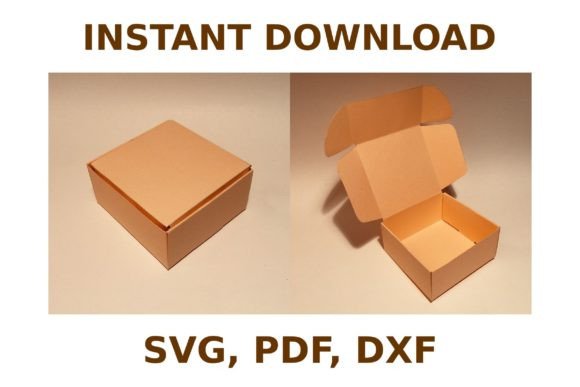
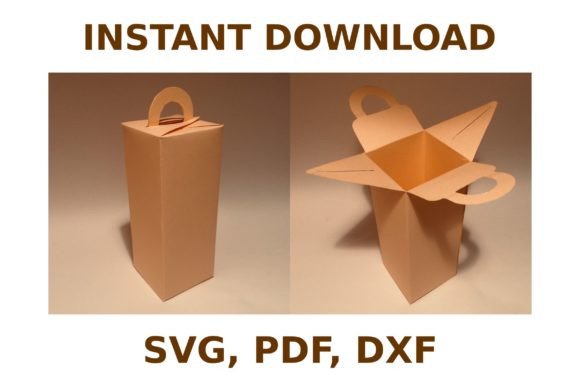
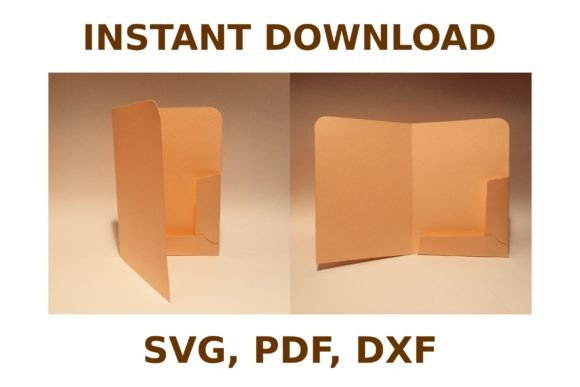
The Document Folder Template has a straightforward, professional look. Its shape is simple yet effective, making it ideal for items that require organization or presentation. The layout feels well-structured, with clear lines and a minimalistic approach that doesn’t overwhelm the eye. This makes it suitable for both personal and commercial use, especially when paired with other design elements.
As a 3D SVG, it offers depth without being overly complex. The design’s visual personality leans toward utility, which fits well with products like tote bags, aprons, or baby items that need a clean, polished appearance. It’s not the most intricate design, but that’s part of its charm—it works well in a variety of contexts without needing much embellishment.
Real-Life Use Cases: Where It Shines
Imagine you’re creating a custom embroidered tote bag for a client who wants a professional-looking design. The Document Folder Template could serve as a base for a logo or a decorative element. Its simplicity allows for easy integration with other embroidery files, making it a great addition to a collection of design assets.
For a small shop product, this template could be used on sweatshirts, pillow covers, or even kitchen towels. It’s also a solid choice for personalized gifts, such as baby onesies or holiday decorations. The design’s adaptability means it can be scaled up or down depending on the project, though care must be taken with smaller hoop sizes.
When used as an applique design, the Document Folder Template benefits from satin stitch or fill stitch techniques. These methods help maintain the integrity of the shape while adding texture and dimension. However, the design isn’t meant for high-detail areas, so it’s best suited for larger, open spaces where the overall form is more important than fine details.
Where to Be Cautious: Practical Considerations
While the Document Folder Template is functional, it may not be the best choice for every fabric type. On thin or stretchy materials, the design might not hold up well unless proper stabilizer is used. Dark fabrics can also pose a challenge, as the design may not show up clearly unless the thread color is carefully chosen.
For items like caps or curved surfaces, the design may require some adjustment. The corners and edges might not sit perfectly on a rounded surface, so testing on a sample is essential. Similarly, if the design includes tiny lettering or intricate details, it may not translate well to a machine embroidery file without some modification.
When working with dense stitch areas, the Document Folder Template could become too heavy or stiff. This is something to keep in mind if you're planning to use it on items that will be worn frequently, like t-shirts or baby clothes. A lighter stitch density or alternative stitching method might be necessary for comfort and durability.
Impact on Visual Appeal and Customer Perception
The Document Folder Template adds a sense of professionalism to any finished product. Its clean lines and structured layout make it ideal for handmade products that need a polished look. For Etsy sellers or craft business owners, this design can elevate the quality of your listings and increase customer trust.
When used in printable mockups or digital product previews, the template provides a consistent visual element that helps buyers imagine how the final item will look. This is especially valuable for custom apparel or personalized gifts, where the design plays a key role in the overall appeal.
From a branding perspective, the Document Folder Template can be a reliable asset. It maintains a cohesive look across different products, helping to reinforce your brand identity. Whether you're selling on a boutique platform or at a craft fair, this design can contribute to a more professional and recognizable presence.
Design Notes for Embroidery Professionals
Before incorporating the Document Folder Template into your work, there are several steps you should take. First, test the design on scrap fabric to see how it looks in practice. Check the thread color contrast to ensure it stands out against the fabric, and review the stitch density to avoid issues with stiffness or visibility.
Confirm the hoop size required for the design, as this can affect how it’s placed on the garment. Inspect small details to make sure they’re clear and readable, especially if the design includes text or fine lines. Testing it in black and white mockups can help you visualize how it will look on different backgrounds.
Finally, always check the licensing terms before using the design for commercial purposes. Make sure it’s compatible with your workflow and that you have the rights to sell finished items or digital products. This is especially important if you're running a craft business or offering custom embroidery services.
Conclusion: A Reliable Choice for Practical Projects
The Document Folder Template is a solid choice for designers looking for a clean, functional design that can be adapted to a range of embroidery projects. Its simplicity and versatility make it a valuable addition to any design library, particularly for those working on custom apparel, personalized gifts, or small shop merchandise.
While it may not be the most detailed or intricate design, it excels in practical applications where clarity and structure matter most. With proper testing and consideration, it can enhance the quality and appeal of your finished products, helping you deliver a better experience for your customers.